

Why Zambia Rewards Those Who Look Closer
There is a moment on the Zambezi when the morning begins before the sun has fully reached the water.
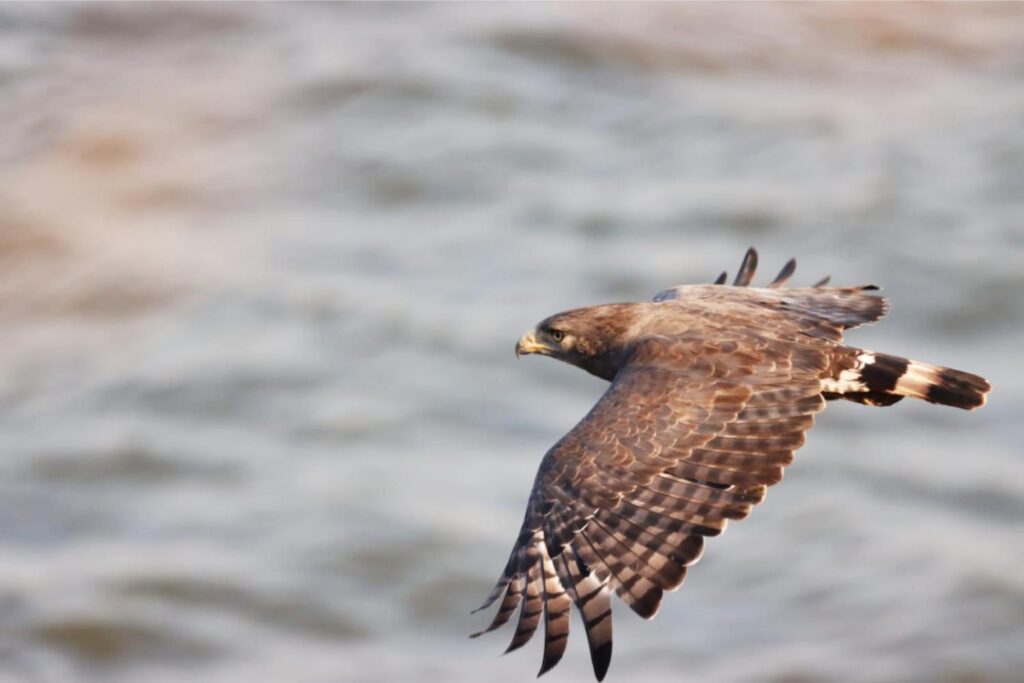
A fish eagle calls from somewhere high above the river. Bee-eaters flicker between the banks in flashes of colour. Kingfishers hold still for a breath, then vanish into the light.
For many guests, birding is not the first reason they travel to Zambia. They come for the river, the wildlife, the stillness, the promise of elephants at the water’s edge and lions somewhere beyond the winterthorn trees.
Then the birds begin to reveal themselves. And suddenly, the safari becomes richer.
Why is Zambia such a good birding destination?
Zambia is one of Africa’s most rewarding birding destinations because of its remarkable habitat diversity. Across the country, river systems, floodplains, wetlands, miombo woodland, mopane, escarpments and riverine forest all support different bird species, creating an exceptional variety for both experienced birders and curious first-timers.
More than 780 bird species have been recorded in Zambia, making it a destination where birdlife is not a side note to the safari experience, but part of its daily rhythm.
What makes Zambia especially appealing is that birding here does not have to feel specialised or separate. You do not need to plan an entire trip around a rare sighting. You simply need to be present.
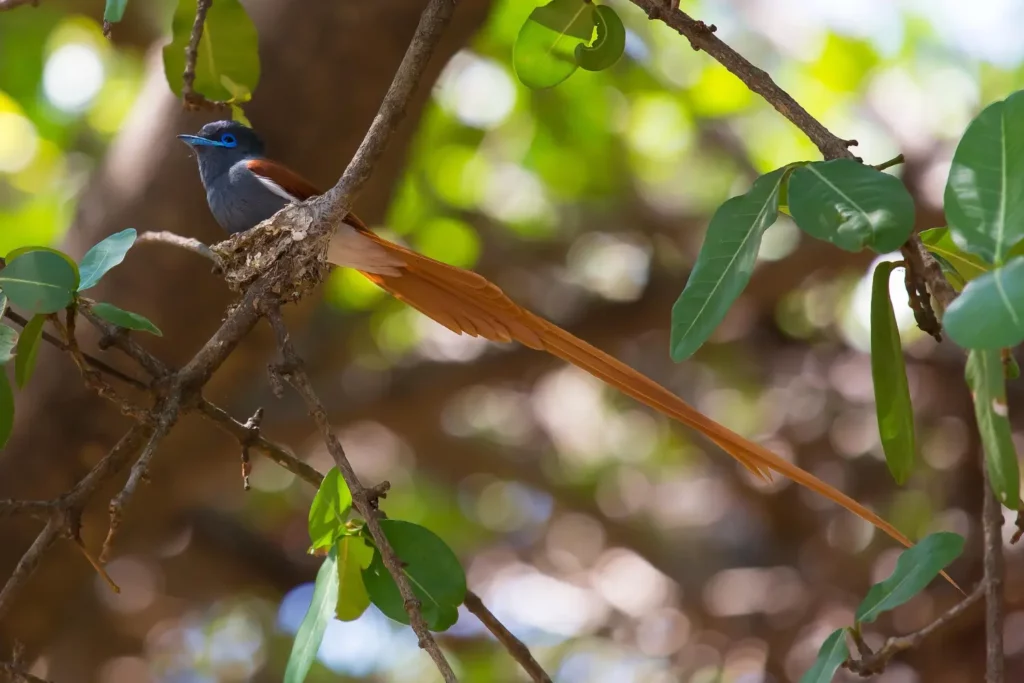
A boat safari becomes a chance to watch herons, storks, kingfishers and fish eagles along the water. A quiet walk through the trees may reveal rollers, hornbills, barbets or flycatchers. A morning coffee on the deck can become its own small birding session.
At Baines’ River Camp, birding is woven into the experience almost without effort.
Birding on the Lower Zambezi
The Lower Zambezi is a particularly beautiful place to start noticing birds because the landscape naturally draws your attention to movement, sound and light.
The river is always changing. Sandbanks appear and disappear. Channels shift. The trees along the banks hold life at every level – from waterbirds at the edge, to woodland species in the branches, to raptors above.
Here, birding does not ask you to rush from one checklist species to the next. It asks you to slow down.
You may find yourself watching a Pied Kingfisher hover above the water before dropping cleanly into the river. You may hear the unmistakable call of an African Fish Eagle while elephants feed quietly nearby. You may notice bee-eaters working the banks in the warm afternoon light, their colours catching just enough sun to make you pause.
This is the quiet pleasure of birding in the Lower Zambezi: it happens in between everything else.
Do you need to be an experienced birder?
No. The Lower Zambezi is ideal for guests who are new to birding because the birdlife is visible, varied and naturally part of the safari setting.
You do not need to know every call. You do not need to arrive with a life list. You do not even need to think of yourself as a birder.
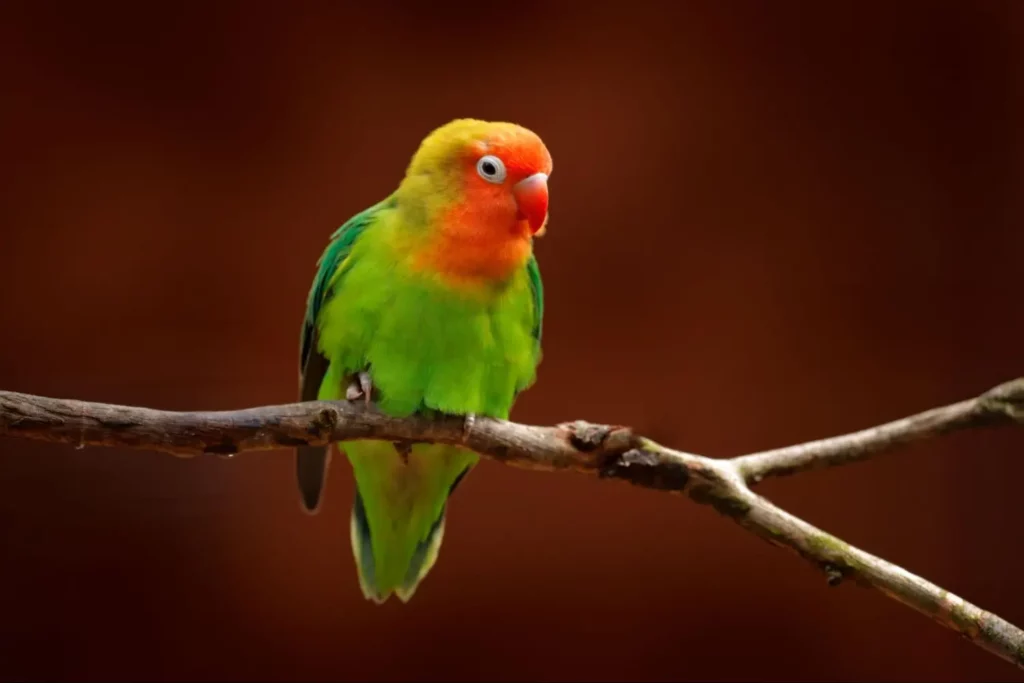
Many guests begin by noticing colour. Then behaviour. Then sound. A guide points out the difference between two kingfishers, or explains why certain birds gather along the river at a particular time of day. Slowly, the landscape becomes more detailed.
That is often where the shift happens.
The safari is no longer only about waiting for the large animals to appear. It becomes about seeing more of what is already around you.
When is the best time for birding in Zambia?
Birding in Zambia is rewarding throughout the safari season, but the green season is especially vibrant. From around November to March, migratory birds arrive, many resident species move into breeding plumage, and the landscape becomes rich with colour and sound.
This is a beautiful time for bird photography, particularly for those drawn to colour, atmosphere and softer seasonal light.
That said, birding is not limited to one season. The dry season brings its own clarity. As water becomes more concentrated, wildlife activity along the river increases, and birds remain an ever-present part of the experience. For many guests, the best time to visit is the time that suits the kind of safari they want – whether that is a greener, more atmospheric journey or a classic dry-season safari with strong wildlife viewing.
Local knowledge matters here. The best guides understand not only which birds may be present, but where and when to look for them.
Why guides make birding more memorable
A good guide does more than identify a bird.
They help you understand what you are seeing.
They know which calls belong to which species. They notice small movements in the canopy. They understand nesting habits, feeding patterns and seasonal changes. They know when to stop the vehicle, when to drift quietly by boat, and when to let a moment unfold without interruption.
At Baines’ River Camp, this kind of guiding turns birding into storytelling. A flash of colour becomes a behaviour. A call becomes a clue. A simple sighting becomes part of a much larger living system.
For guests who already love birds, this deepens the experience. For guests who are new to birding, it opens a door.

The birds you may notice first
Some birds naturally catch the eye before others.
Kingfishers are often among the first to make an impression along the river. Their colours are sharp, their movements precise, and their presence feels perfectly suited to the water.
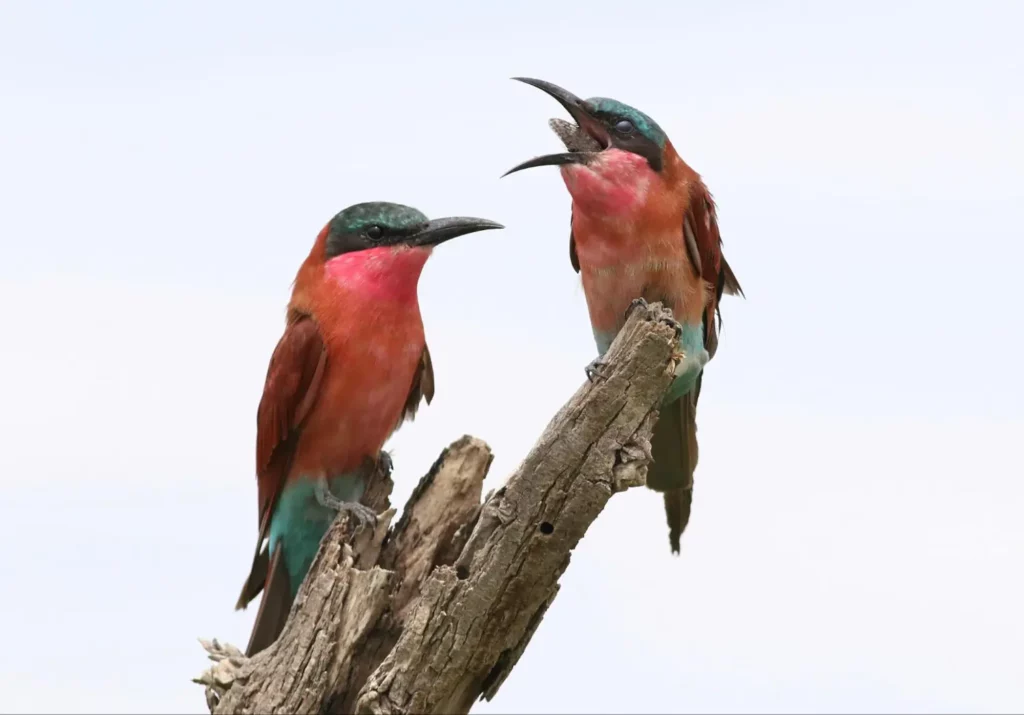
Bee-eaters bring brightness and energy, often seen in groups as they move between branches and banks. Fish eagles bring the sound of the Zambezi to life – a call so closely tied to the African river experience that it often stays with guests long after they leave.
Then there are the quieter sightings. A bird partly hidden in the trees. A raptor circling in the distance. A small movement in the grass that your guide notices before anyone else does.
This is where birding becomes less about collecting sightings and more about paying attention.
Why birding belongs at Baines’ River Camp
Baines’ River Camp is set in a place where the river, wilderness and wildlife meet naturally.
Positioned on the banks of the Zambezi, upstream of the Lower Zambezi National Park and opposite Mana Pools, the camp places guests in a landscape shaped by water, trees and movement. River safaris, walking experiences, game drives and quiet time in camp all offer opportunities to notice birdlife as part of the day’s rhythm.
This is what makes birding here feel so effortless.
You may begin the morning with coffee and birdsong. Spend the day on the river, watching wildlife and waterbirds share the same banks. Return to camp in the afternoon as the light softens through the trees. Then hear the fish eagle again, calling somewhere across the water.
Nothing needs to be forced.
The birds are simply there, adding texture to every hour.
A safari for those who look closer
The Lower Zambezi has a way of rewarding attention.
The longer you sit, the more you see. The more you listen, the more the landscape begins to speak. Birding becomes one of the gentlest ways to connect with this place – not by chasing the next big sighting, but by allowing the smaller details to become part of the story.
You may arrive at Baines’ River Camp for the elephants, the river, the fishing, the comfort, the guides, or the quiet privilege of time in wild Zambia.
But do not be surprised if the birds become one of the memories you carry home.
A call at sunrise.
A flash of colour over the water.
A moment you almost missed – until you looked closer.
Frequently Asked Questions
Is Zambia good for birding?
Yes. Zambia is one of Africa’s strongest birding destinations, with more than 780 recorded bird species and a wide range of habitats, including wetlands, rivers, woodland, floodplains and escarpments. This makes it rewarding for both serious birders and guests who simply enjoy nature.
Is the Lower Zambezi good for birdwatching?
Yes. The Lower Zambezi is excellent for birdwatching because of its riverine habitat, woodland, banks, channels and floodplain environment. Guests can see birds during boat safaris, game drives, walks and even while relaxing in camp.
Do I need to be a birder to enjoy birding at Baines’ River Camp?
No. Birding at Baines’ River Camp is naturally part of the safari experience. Guests can enjoy the colours, calls and behaviour of birds without needing specialist knowledge or a formal birding checklist.
What birds can you see on the Lower Zambezi?
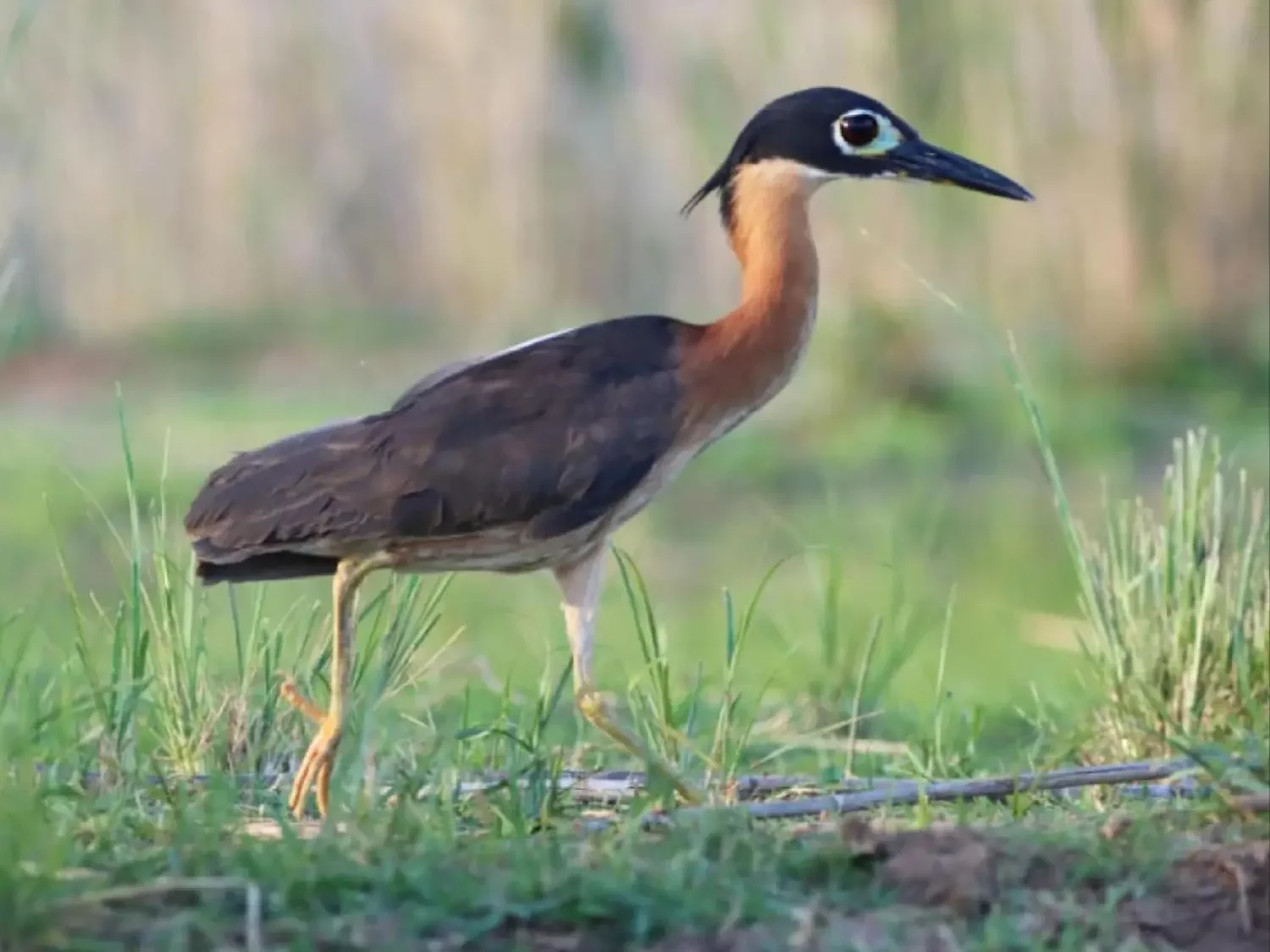
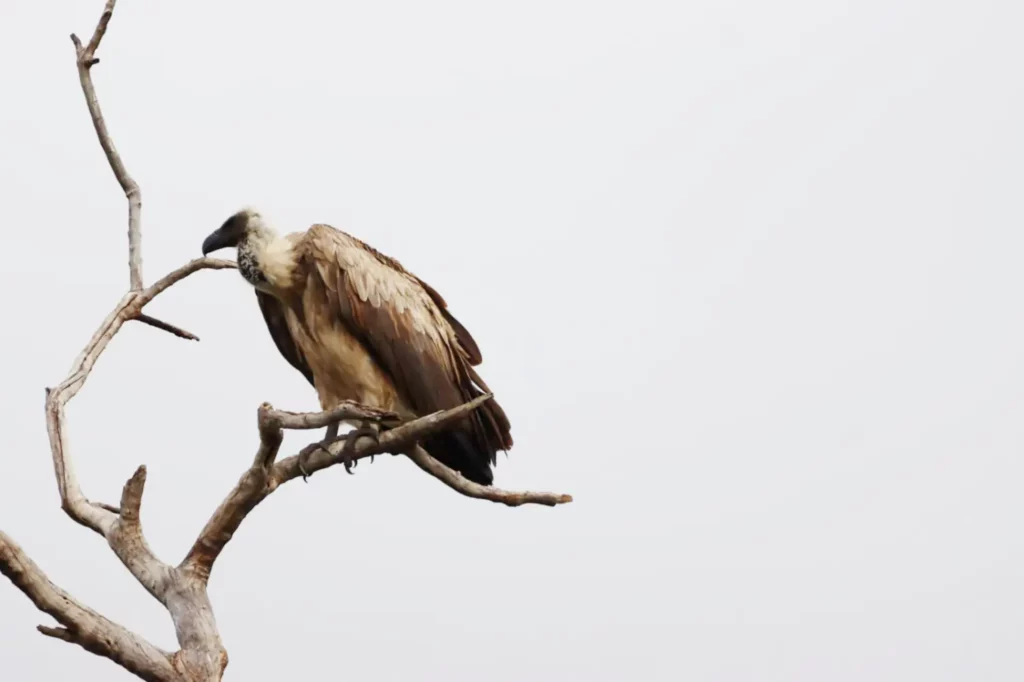
Common highlights may include kingfishers, bee-eaters, fish eagles, herons, storks, hornbills, rollers, raptors and many other river and woodland species. Sightings vary by season, habitat and local conditions.
When is the best time for birding in Zambia?
The green season, roughly November to March, is especially good for birding because migratory birds arrive and many resident birds are in breeding plumage. The dry season is also rewarding, especially along the river where birdlife remains active and visible.
Can birding be combined with other safari activities?
Yes. At Baines’ River Camp, birding can be enjoyed alongside river safaris, tiger fishing, walking safaris and game drives. Many sightings happen naturally during the day rather than as a separate specialist activity.
